California Bans 'Sell By' Dates on Food Starting July 1: What It Means for Restaurants and Shoppers
2026-06-23
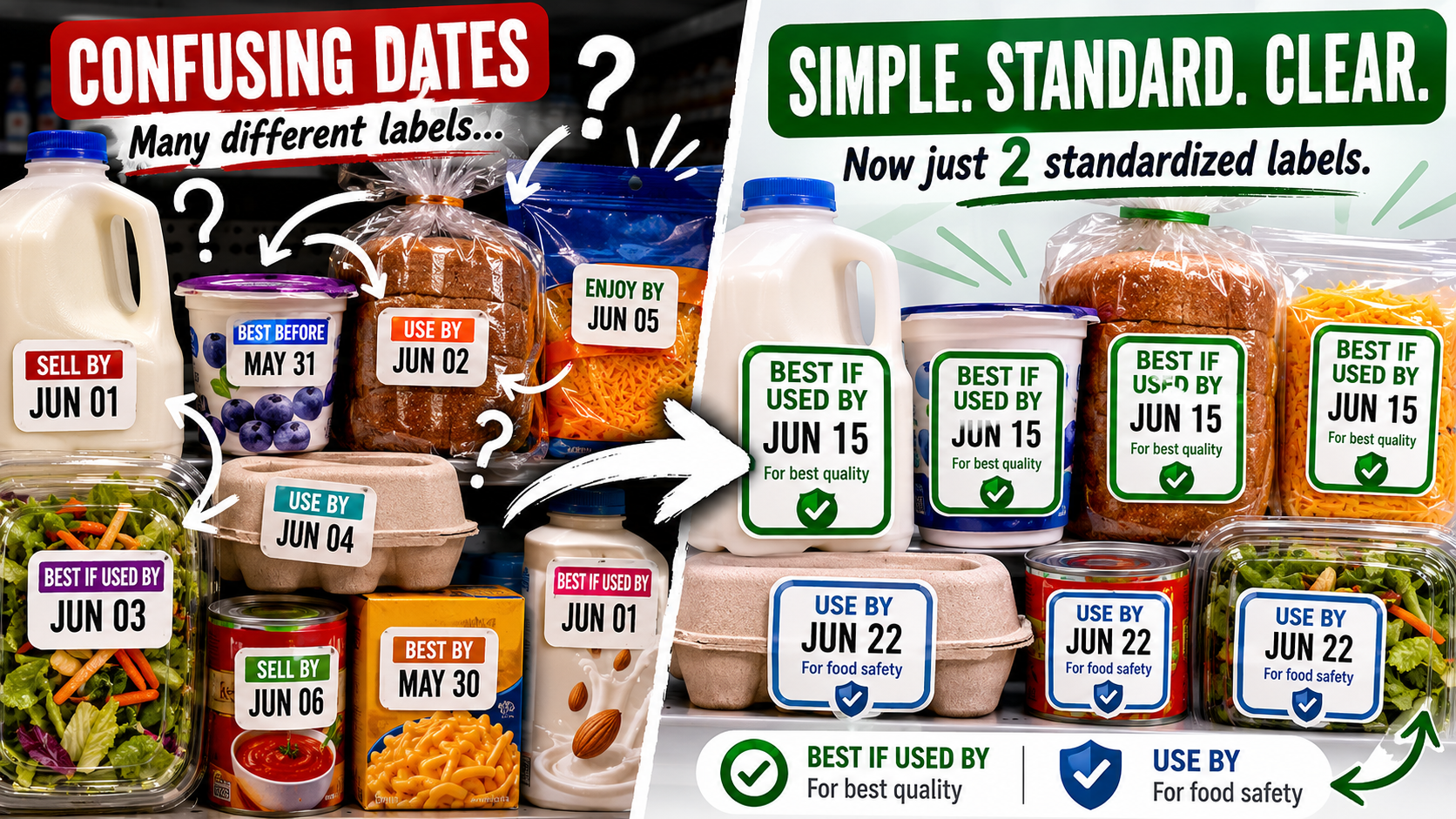
Starting July 1, California is phasing out confusing "sell by" dates on food in favor of standardized labels, becoming the first state to crack down on the patchwork of date phrasing that drives unnecessary food waste. The change replaces the dozens of inconsistent terms manufacturers currently use — "sell by," "best before," "enjoy by," and more — with two clear, regulated phrases.
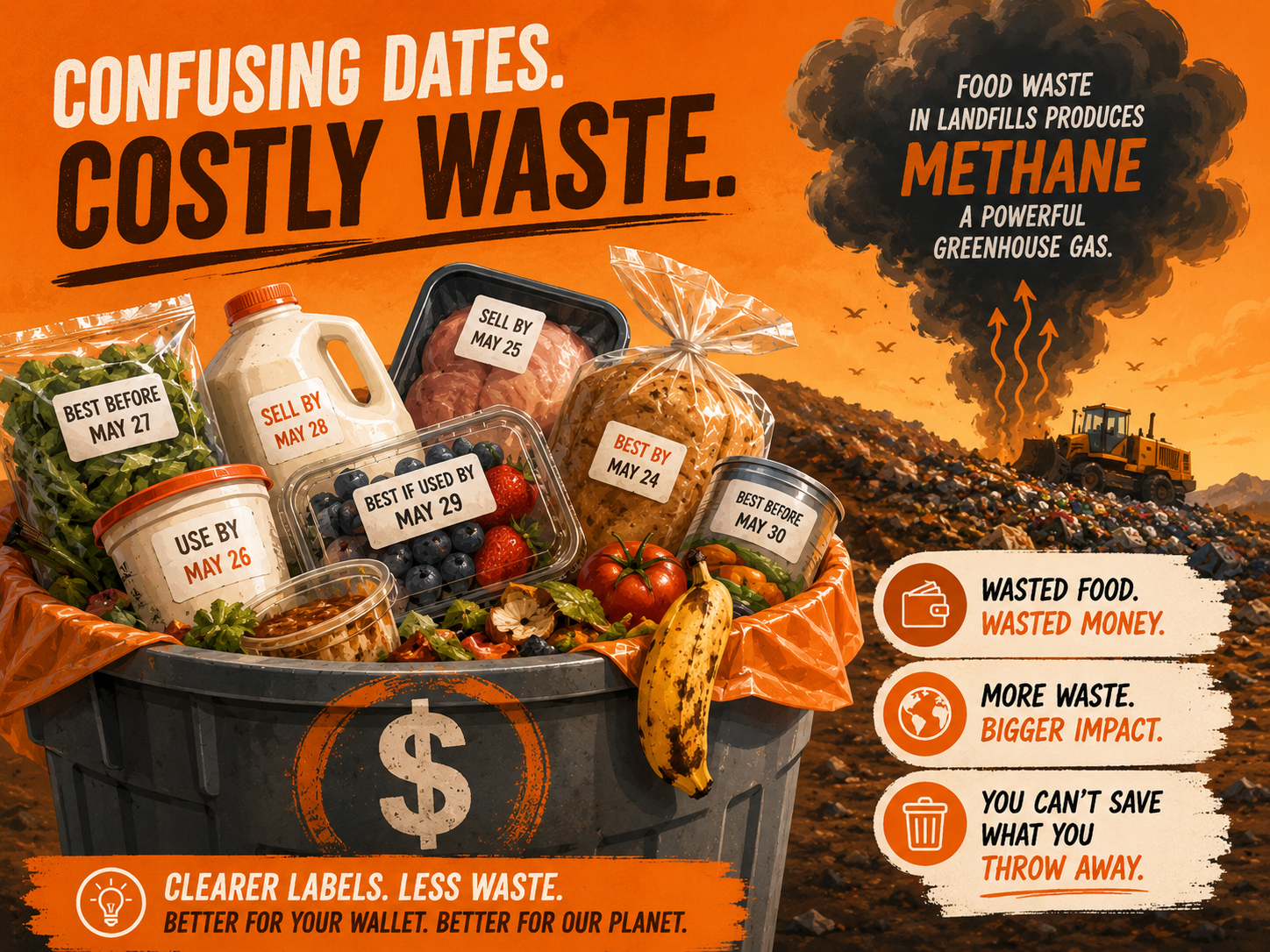
The goal is straightforward: most date labels on food have nothing to do with safety, yet shoppers throw away billions of pounds of perfectly good food every year because they misread them. By standardizing the language, California aims to cut food waste, save households money, and reduce the methane that wasted food produces in landfills.
What exactly is changing on July 1?
California's law standardizes food date labeling around two — and only two — accepted phrases:
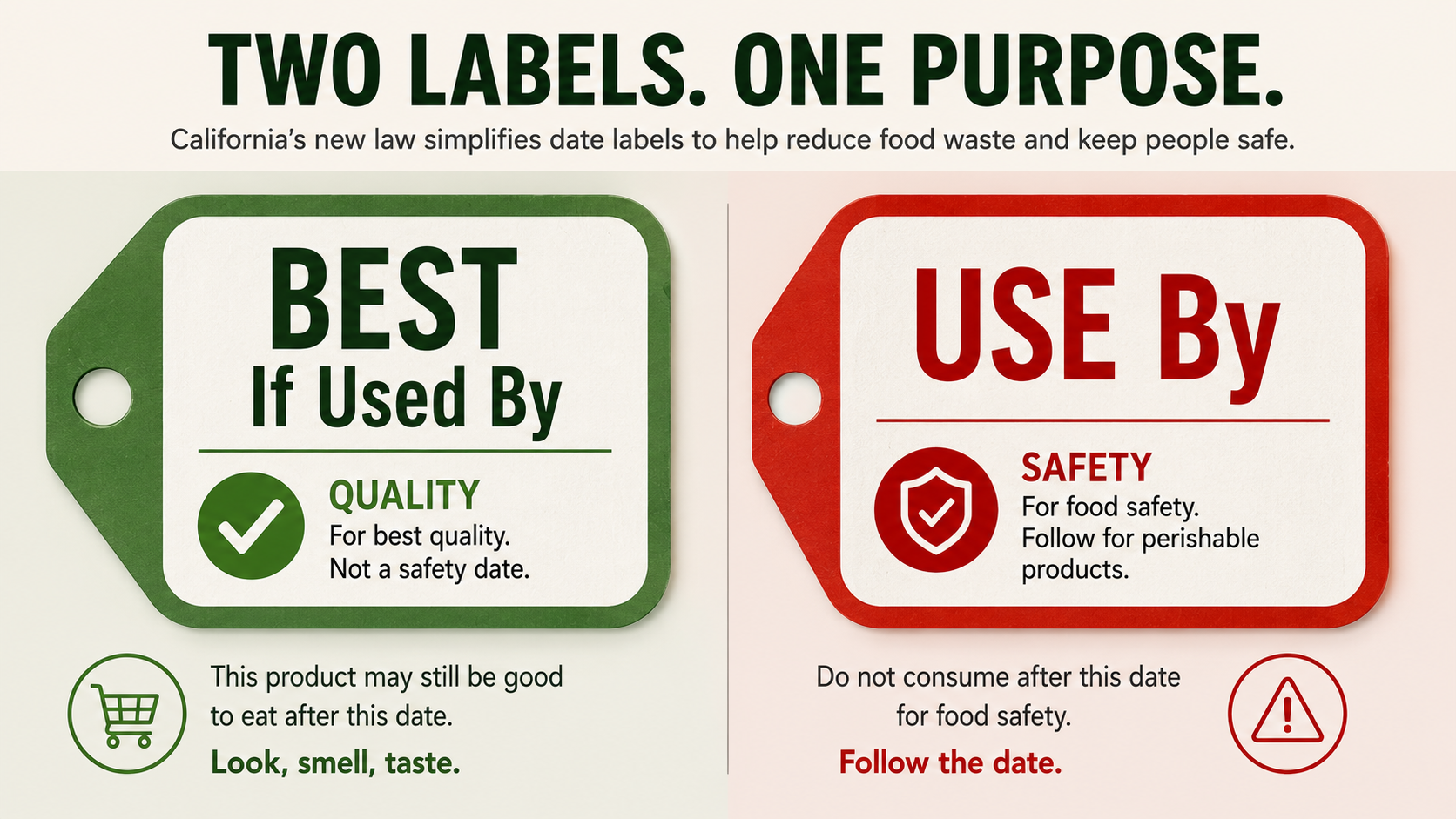
"BEST If Used By" communicates quality. After this date, food may lose peak flavor, texture, or freshness, but it is generally still safe to eat. This label is for the vast majority of shelf-stable and packaged goods.
"USE By" communicates safety. This label is reserved for the small category of highly perishable foods where consumption after the date carries genuine health risk.
Crucially, the law discourages and phases out the "sell by" date — a label that was never meant for consumers in the first place. "Sell by" dates are inventory tools for retailers, telling stores how long to display a product. Shoppers routinely misinterpret them as expiration dates and discard food that is still perfectly good.
Why is California doing this?
The reasoning behind the law comes down to a simple, well-documented problem: date labels confuse people, and confusion creates waste.
Food waste is staggering. Studies estimate that a significant share of household food waste is driven directly by misunderstood date labels. When a carton says "sell by" and the date has passed, most people toss it — even though the food is fine.
The labels were never standardized. With the sole exception of infant formula, federal law does not regulate or require most date labels. Manufacturers have been free to choose their own wording, leading to the confusing mix of phrases on shelves today.
Wasted food is an environmental cost. Food sent to landfills decomposes and releases methane, a potent greenhouse gas. Reducing avoidable waste is part of California's broader climate strategy.
It saves households money. Throwing away edible food is throwing away money. Clearer labels help families keep food they paid for instead of discarding it out of uncertainty.
How does this affect grocers and food manufacturers?
Retailers and producers selling food in California face the most direct operational impact.
Relabeling and packaging updates. Manufacturers distributing products in California will need to align their date labels with the two approved phrases. For brands that sell nationally, this often means standardizing packaging across the board rather than maintaining California-specific labels.
Inventory and rotation systems may shift. Because "sell by" dates served as internal stock-rotation cues, some retailers will need new internal systems to manage shelf life and product rotation that no longer rely on consumer-facing "sell by" stickers.
A phase-in period applies. The standardization is being introduced with a transition window so businesses can sell through existing inventory and update packaging without immediately discarding compliant stock.
National ripple effects. Because California is such a large market, changes made for compliance here frequently become the de facto national standard — much like the state's history of setting trends in emissions and product labeling.
What does it mean for restaurants?
Restaurants sit at the intersection of this change as both buyers and food-safety operators.
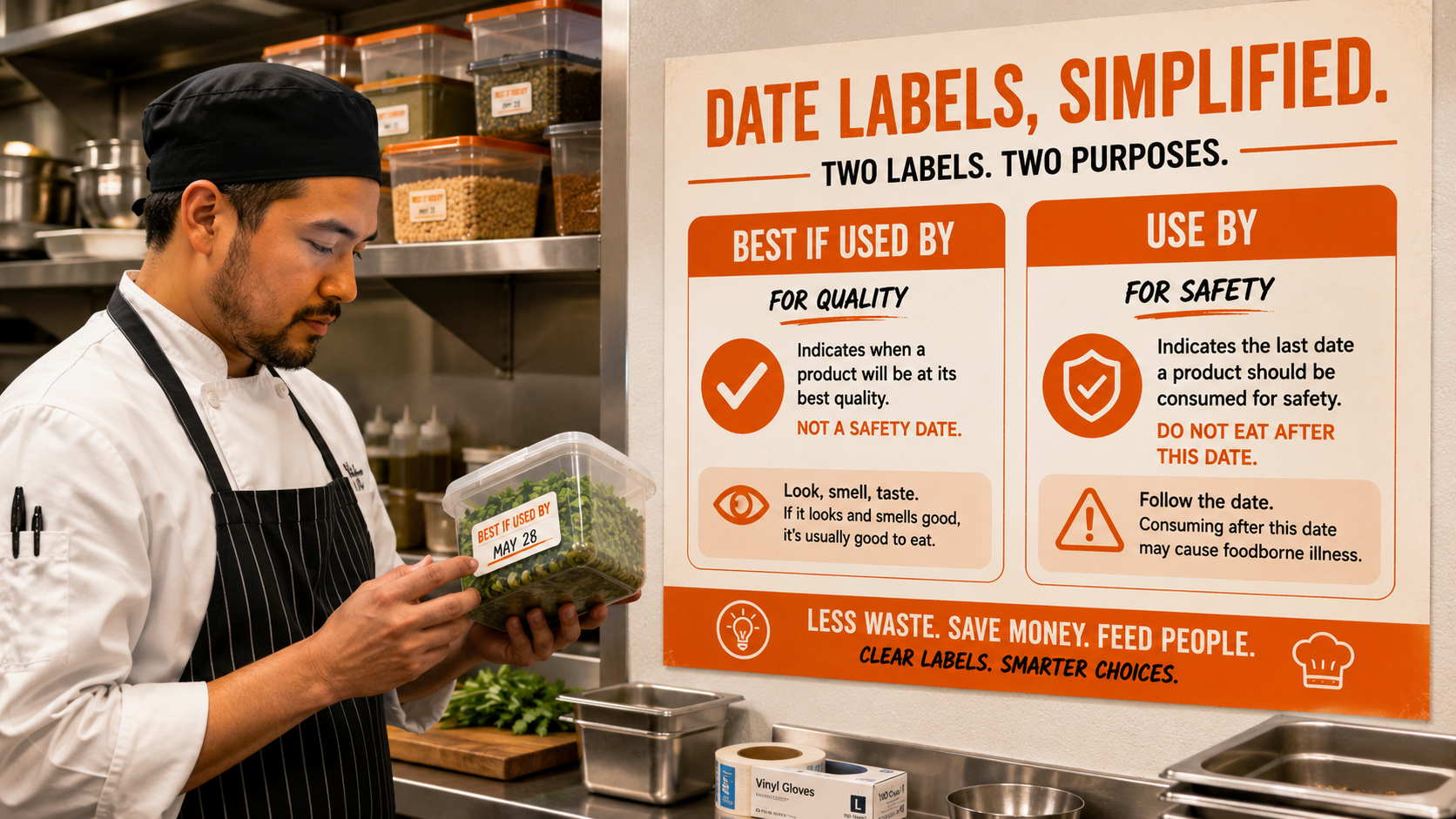
Smarter purchasing and reduced waste. Clearer labels on incoming inventory help kitchen staff make better keep-or-toss decisions, reducing the food a restaurant discards unnecessarily and protecting margins.
Staff training matters. Front- and back-of-house teams should understand the difference between a quality label ("BEST If Used By") and a safety label ("USE By") so they apply the right judgment to ingredients without over-discarding.
Food safety practices stay paramount. Standardized labeling does not replace proper storage, temperature control, and FIFO (first-in, first-out) handling. The "USE By" safety date in particular should be treated as a hard line for perishable items.
An opportunity to cut costs. Restaurants that build clear internal guidelines around the new labels can meaningfully reduce waste-driven food costs over time.
What should consumers know?
For shoppers, the change is meant to make decisions easier, not harder.
"BEST If Used By" is about quality, not safety. If you see this label and the date has passed, the food is most likely still safe to eat — trust your senses (look, smell) rather than discarding automatically.
"USE By" is the one to respect. This label signals genuine safety risk for highly perishable foods. When this date passes, it's time to throw the item out.
You'll see fewer "sell by" dates over time. As packaging cycles through, the confusing retail-only "sell by" language will gradually disappear from store shelves.
Expect to save money and waste less. The whole point of the law is to help you keep and eat the food you already bought.
What's the bigger picture?
California's move reflects a growing national and global push to fix food date labeling. Industry groups have voluntarily encouraged the two-phrase system for years, and federal lawmakers have repeatedly introduced — though not yet passed — legislation to standardize labels nationwide.
By acting first and at scale, California is likely to accelerate the shift. Manufacturers who relabel for the California market often roll those changes out everywhere, meaning shoppers in other states may start seeing clearer, more consistent labels too.
The change won't happen overnight. Existing inventory will sell through, packaging will update gradually, and habits — both consumer and industry — will take time to adjust. But starting July 1, the foundation is in place: two clear labels, one about quality and one about safety, designed to keep good food out of the trash.
The restaurants, grocers, and shoppers who adapt earliest will be best positioned to cut waste, save money, and make confident decisions about the food they buy and serve.